Sling Components
Lifting Gear Products supplies a comprehensive range of sling components for assembling, configuring and maintaining chain slings and textile slings across industrial, construction, manufacturing and offshore applications throughout the UK.
Our range includes master links, sub-assemblies, connecting links, sling hooks, self-locking hooks, shortening clutches, swivels and identification tags in Grade 8 and Grade 10, from pewag, KWB, William Hackett, Yoke and Tiger. We also stock genuine replacement parts, including load pin kits, safety latch kits and trigger kits, to keep your existing slings in service.
Products
-
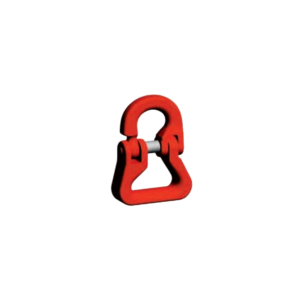
Pewag KWB Webbing Coupling Link RSK Grade 8 Round & Webbing Sling Connector (8mm16mm)
From: £14.97£17.96From: £13.47£16.16 Exc VATInc VAT -
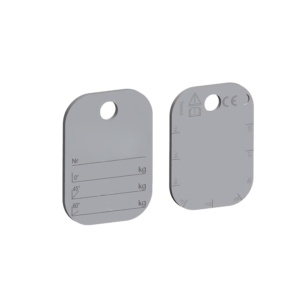
Pewag LASH Tag Set EN Working Load Tag Set Replacement Identification Kit
Original price was: £6.58£7.90.£5.92£7.10Current price is: £5.92£7.10. Exc VATInc VAT -
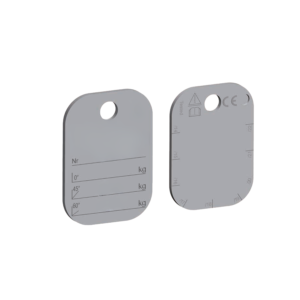
Pewag Lifting ID-SET Working Load Tag Set Replacement Identification Kit
Original price was: £5.48£6.58.£4.93£5.92Current price is: £4.93£5.92. Exc VATInc VAT -
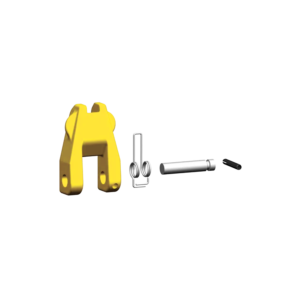
Pewag SFGW-A Safety Latch Kit for AWHW Hooks Replacement Kit
From: £18.50£22.20From: £16.65£19.98 Exc VATInc VAT -
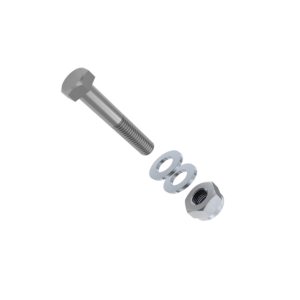
Pewag UBMS Screw Set for Omega & Unilock Connecting Shackles Replacement Kit
From: £5.27£6.32From: £4.74£5.69 Exc VATInc VAT -
Tiger PROCB Clevis Shackle 3t WLL
Original price was: £37.50£45.00.£33.75£40.50Current price is: £33.75£40.50. Exc VATInc VAT -
Tiger PROCB Clevis Shackle 500kg-2t WLL
Original price was: £25.83£31.00.£23.25£27.90Current price is: £23.25£27.90. Exc VATInc VAT -
Tiger PROCB Clevis Shackle 5t-6t
Original price was: £65.83£79.00.£59.25£71.10Current price is: £59.25£71.10. Exc VATInc VAT -
Tiger PROCB Clevis Shackle 8t-10t
Original price was: £125.00£150.00.£112.50£135.00Current price is: £112.50£135.00. Exc VATInc VAT -
Tiger PROCB Reevable Egg / Master Link 3t
Original price was: £22.08£26.50.£19.87£23.84Current price is: £19.87£23.84. Exc VATInc VAT -
Tiger PROCB Reevable Egg / Master Link 500kg-2t
Original price was: £14.58£17.50.£13.12£15.74Current price is: £13.12£15.74. Exc VATInc VAT -
Tiger PROCB Reevable Egg / Master Link 5t-6t
Original price was: £38.33£46.00.£34.50£41.40Current price is: £34.50£41.40. Exc VATInc VAT -
Tiger PROCB Reevable Egg / Master Link 8t-10t
Original price was: £66.67£80.00.£60.00£72.00Current price is: £60.00£72.00. Exc VATInc VAT -
Tiger PROCB Self Looking Hook – 500kg-2t WLL
Original price was: £26.67£32.00.£24.00£28.80Current price is: £24.00£28.80. Exc VATInc VAT -
Tiger PROCB Self Looking Hook 3t WLL
Original price was: £33.33£40.00.£30.00£36.00Current price is: £30.00£36.00. Exc VATInc VAT -
Tiger PROCB Self Looking Hook 5t-6t WLL
Original price was: £67.08£80.50.£60.37£72.44Current price is: £60.37£72.44. Exc VATInc VAT
Sling Components for Every Part of the Assembly
A chain sling is built from a series of components, and each one has a specific job in the assembly. Choosing the right parts lets you build a new sling to suit the lift, or repair and adapt an existing one.
Master Links and Sub-Assemblies
The master link is the top link of the sling that sits on the crane or hoist hook. Single master links suit one and two-leg chain slings, while three and four-leg slings use a master link sub-assembly with two intermediate links so each leg can articulate freely.
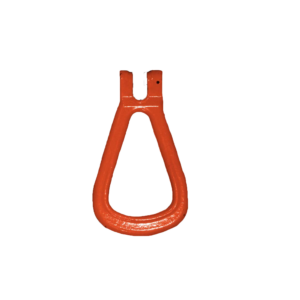
Our range includes standard, oversize and enlarged master links for larger crane hooks, closed coupling master links, offshore master links, and reevable egg links that can pass through another link or around a load.
Explore our range of master links.
Connecting Links and Couplings
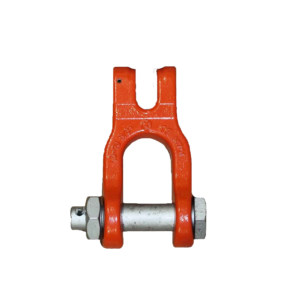
Connecting links join the chain to the master link and to the hook or end fitting. Options include mechanical coupling links, half coupling links, Omega links and Unilock connecting links, as well as round sling and webbing sling couplings that let textile slings connect into a chain system.
Sling Hooks and Self-Locking Hooks
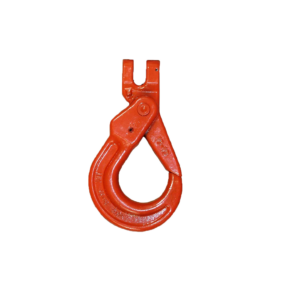
The hook connects the sling to the load. Sling hooks with a safety latch suit general lifting, while self-locking hooks close and lock automatically under load, so they cannot open accidentally during the lift. Hooks are available in clevis and eye fittings to suit the way the sling is assembled.
Explore our range of sling hooks.
Explore our range of self-locking hooks.
Shortening Clutches and Grab Hooks
Shortening devices adjust the effective length of a sling leg, so an uneven load can be balanced or the sling can suit different lifting points. Our range includes clevis shortening clutches, clutches with locks and eye and clevis grab hooks.
Clevis Shackles, Swivels and Container Links
Clevis shackles connect chain to fittings in a compact, in-line arrangement. Swivels allow the load to rotate without twisting the sling, and insulated swivels separate the hook from the sling. Container links are designed for lifting shipping containers by their corner castings.
Sling Tags and Replacement Parts
Every chain sling must carry identification showing its Working Load Limit and grade. We supply replacement tag sets and Yoke Supra digital tracking tags, along with genuine replacement load pin kits, safety latch kits, trigger kits, screw sets and spring gates for pewag and Yoke components.
Grade 8 and Grade 10 Sling Components
Sling components must match the grade and size of the chain they are fitted to.
- Grade 8 components are an established choice for general-purpose lifting and remain widely used across industrial and construction applications.
- Grade 10 components provide a higher Working Load Limit from a comparable size, allowing a lighter assembly for the same lift.
Where components of different grades are combined, the whole sling must be rated to the lowest-rated part.
Explore Grade 8 sling components.
Explore Grade 10 sling components.
Sling Component Brands
We supply components from established chain sling manufacturers, so replacement and add-on parts can be matched to the system already in use.
H3: pewag and KWB Sling Components
Pewag and KWB Grade 8 components include master links, enlarged master links, multi-leg sub-assemblies, connecting links, webbing sling couplings and grab hooks. We also stock pewag replacement kits, including load pin kits, safety latch kits, trigger kits and identification tag sets.
H3: William Hackett Sling Components
William Hackett components are available in Grade 8 and Grade 10, including master links, oversize master links, reevable egg links, connectors, clevis shackles, clevis clutches, Omega links and round sling couplings.
H3: Yoke Sling Components
Yoke offers one of our widest component ranges in Grade 8 and Grade 10, from master links, connecting links and shortening clutches through to bearing swivels, container links, offshore master links and Supra digital tracking tags. Yoke replacement pins, latches, triggers and spring gates are also available.
Tiger Sling Components
Tiger PROCB components include clevis shackles, reevable egg and master links, sling hooks and self-locking hooks from 500kg to 10t WLL, available to buy online.
Building and Repairing Chain Slings
A chain sling is only as strong as its weakest component, so every part of the assembly needs to be compatible in grade, size and Working Load Limit. Points to consider include:
- Matching each component to the chain grade and chain diameter
- Using a master link large enough to seat correctly on the crane hook
- Choosing a master link or sub-assembly to suit the number of legs
- Using components from the same manufacturer’s system where possible
- Using the manufacturer’s genuine replacement pins, latches and triggers
- Fitting a new identification tag showing the correct WLL and grade
Completed slings should be built to EN 818-4 and examined by a competent person before being put into service. If you would rather not assemble a sling yourself, we can supply chain slings made up to your specification.
Components are also used with lifting and lashing chain, synthetic slings and lifting shackles.
Sling Component Standards, Inspection and Certification
Grade 8 sling components are generally manufactured to the EN 1677 series, which covers forged components, hooks with safety latches, self-locking hooks and master links. Grade 10 components are made to the manufacturer’s own specifications, and each component should be marked with the manufacturer’s identification, grade and a traceability code.
Components should be checked for wear, cracks, distortion and damage to pins, latches and triggers before each use. As part of a lifting accessory, sling components must also be thoroughly examined at the intervals required under LOLER.
Sling Components FAQs
-
What are sling components?
Sling components are the fittings used to build a chain sling, including master links, connecting links, hooks, shortening clutches and identification tags. They are also used to connect textile slings into a chain system and to repair or adapt existing slings.
-
What is a master link?
A master link is the top link of a sling that connects it to the crane or hoist hook. One and two-leg slings use a single master link, while three and four-leg slings use a master link sub-assembly with intermediate links.
-
What is the difference between a master link and a reevable egg link?
A reevable egg link is a smaller, egg-shaped link that can pass through another link or around a load. It is often used on single-leg slings that need to form a choke or be reeved through a lifting point
-
What is a connecting link used for?
A connecting link joins the chain to the master link and to the hook or end fitting. It is fitted with a load pin, which allows a sling to be assembled or repaired without welding.
-
What is the difference between a sling hook and a self-locking hook?
A sling hook has a spring-loaded safety latch that closes the throat of the hook. A self-locking hook locks closed automatically when loaded and can only be opened when the load is removed, which gives extra security on the lift.
-
What is a shortening clutch?
A shortening clutch holds the chain at a chosen point so the effective length of a sling leg can be adjusted. It is used to balance uneven loads and to suit lifting points at different distances.
-
Can I mix Grade 8 and Grade 10 components?
Components must match the grade and size of the chain they are fitted to. If different grades are combined, the whole sling must be rated to the lowest-rated part, so mixing grades is generally best avoided.
-
Can I use components from different manufacturers?
Using components from the same manufacturer’s system is the safest approach, as parts are designed and tested to work together. Mixing brands should only be done where the manufacturers confirm the parts are compatible.
-
Do you sell replacement parts for chain sling components?
Yes. We stock genuine pewag and Yoke replacement load pin kits, safety latch kits, trigger kits, screw sets, spring gates and identification tags.
-
Does a chain sling need an identification tag?
Yes. Every chain sling must carry identification showing its Working Load Limit, grade and other required information. A missing or unreadable tag should be replaced before the sling is used.
-
Can you assemble a chain sling for me?
Yes. We can supply complete chain slings made up to your specification, including the grade, chain size, number of legs, length, hooks and shortening devices.
-
Do sling components need to be inspected?
Yes. Components should be checked before each use and thoroughly examined by a competent person at the intervals required under LOLER. Any part showing wear, cracks, distortion or a damaged pin, latch or trigger should be removed from service.